Wimbledon singles final, the first by a Soviet player
1965
Wimbledon girls' singles title, on her first trip abroad
2
Wimbledon mixed doubles finals with Alex Metreveli, 1968 and 1970
1st
Soviet player to win a major title: French Open doubles with Chris Evert, 1974
8
Her seeding at Wimbledon in 1974, when she reached the final
Playing career
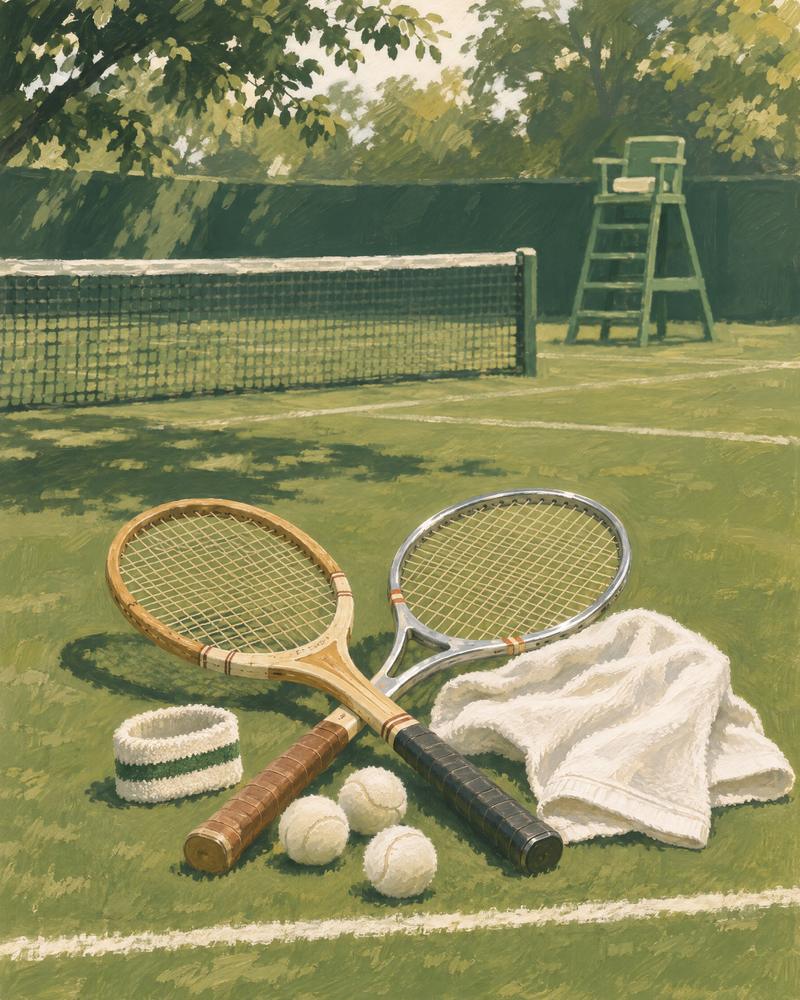
Olga Morozova was born in Moscow in 1949 and started playing at ten under Nina Teplyakova, who coached her throughout her career. At 16 she was sent to Wimbledon for the girls' singles, her first international trip and her first time on grass, and won it, beating Raquel Giscafré 6-3, 6-3.
She became the Soviet Union's pioneer in the open game. With Alex Metreveli she reached the Wimbledon mixed final in 1968, the first Soviet players in a major final, and again in 1970. In 1972 she reached the Italian Open final, and by 1973 she was the first Soviet player in the world's top ten. Under Soviet rules her prize money went to the federation. Her best year was 1974: she lost the French Open and Wimbledon singles finals to Chris Evert, and won the French Open doubles with Evert for the first Soviet major title. Her tour career ended in 1977.
Coaching made her a second career. She led the Soviet women's team through the 1980s, including the country's first Federation Cup final in 1988, and in 1990 joined the Lawn Tennis Association as head of girls' tennis at Bisham Abbey. Later she coached individual players, among them Elena Dementieva and Svetlana Kuznetsova.
On grass
Wimbledon 1974
Seeded eighth; beat the holder, Billie Jean King, in straight sets in the quarter-finals and Virginia Wade 6-4 in the third set of the semi-finals, then lost the final to Chris Evert 6-0, 6-4
Wimbledon mixed finals
1968: with Alex Metreveli, lost to Margaret Court and Ken Fletcher 6-1, 14-12. 1970: lost to Rosie Casals and Ilie Năstase 6-3, 4-6, 9-7
Grass finals won
South Orange 1972: beat her compatriot Marina Kroschina 6-2, 6-7, 7-5. Queen's 1973: beat Evonne Goolagong 6-2, 6-3. Beckenham 1972: beat Jill Cooper 6-4, 6-1
Eastbourne 1975
Won the doubles with Julie Anthony, beating Evonne Goolagong and Peggy Michel 6-2, 6-4
Australian Open 1975
Doubles final on grass with Margaret Court, lost to Evonne Goolagong and Peggy Michel 7-6, 7-6
Leading grass titles only: the grass majors, tour-level grass events since 1968 and the leading grass championships before 1968. † single source; ‡ sources disagree. Roll of champions
"I always loved to play against Billie because she was similar to me, serve-volley"
Anecdotes
The person behind the player.
Wimbledon 1965
First trip, first grass
At 16 she was sent to Wimbledon for the girls' singles. It was her first time abroad and her first time on grass, and she won the title, beating Raquel Giscafré of Argentina 6-3, 6-3 in the final.
Soviet players handed their prize money to their federation, so her earnings on the American circuit did her no personal good. In Akron she told reporters she missed her husband, an engineering student in Moscow, liked Boston, did not care for New York, and loved Coca-Cola, "the real thing".
Rain kept the players waiting in the dressing room for long spells, which she felt added to the pressure on Virginia Wade, a close friend. The turning point, she recalled, came on Wade's serve, when she lobbed over her and the ball landed on the line.
Phoning Moscow was difficult and expensive, and there were no mobile phones. When she did tell her husband she had reached the final, he was calm; she called him "so cool". In the final against Evert, she said, "I didn't play my game."
In 1990 the Lawn Tennis Association hired her as head of girls' tennis, based at the national centre at Bisham Abbey. Andy Murray later recalled that she coached him when he was 12 or 13.