
PLAYER NEWS
News from the professional players’ circuit about the movers and shakers in tennis.
Player News
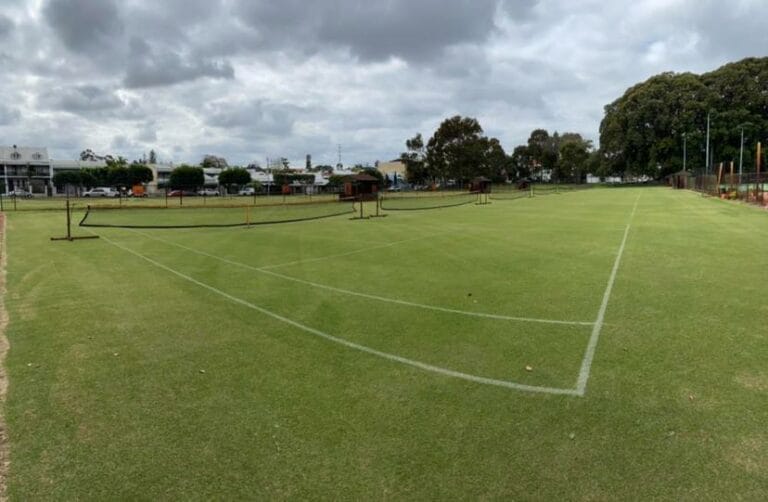
Recommended Base Materials – Grass Tennis
For grass courts, the combination of a precisely formulated sand-clay mix for the rootzone, supported by a robust gravel or crushed stone sub-base, creates the ideal foundation.

Repairing Worn Grass Tennis Courts
Worn or damaged areas can be repaired by re-seeding or patching with sod. Begin by loosening the soil in the affected area, then apply a layer of compost or sand. Spread grass seed evenly, lightly rake it into the soil, and water thoroughly. For larger patches, lay down sod and ensure it is firmly pressed into place.

Embrace Speed on Grass Courts
On grass, the 20-shot rally is an endangered species. The 4-shot rally is king. This isn’t a failure of strategy; it’s the nature of the surface itself. Grass is the fastest surface in tennis, and the single most crucial adjustment you can make is mental: you must embrace speed on grass courts and learn to love the short point.
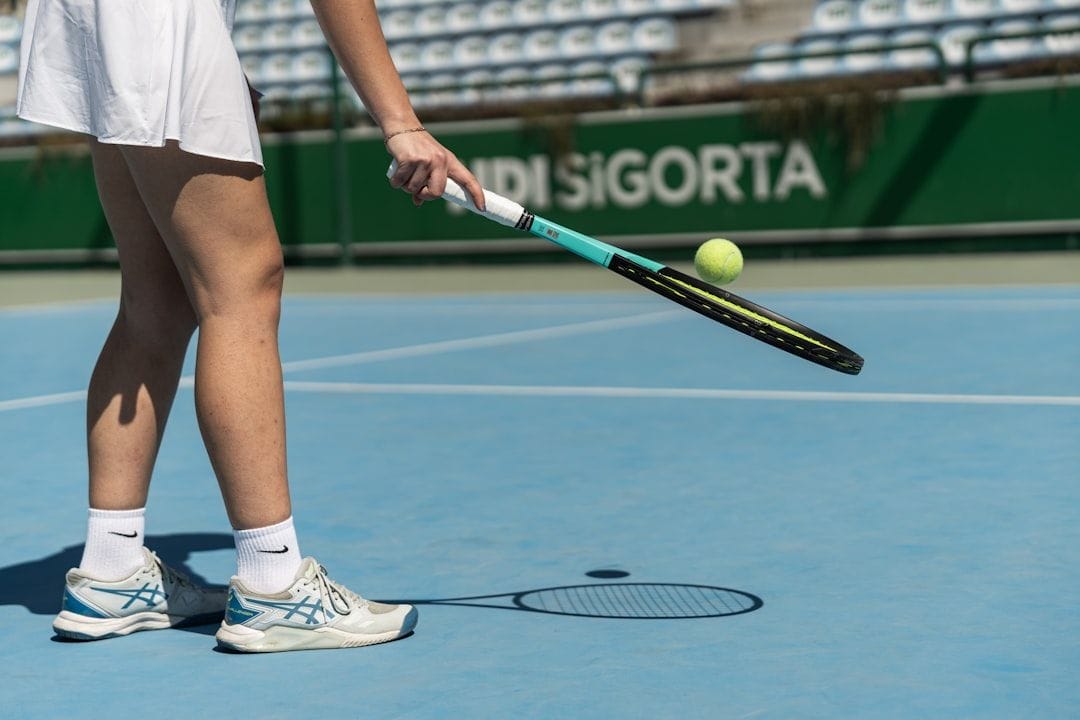
Dominant Eye in Tennis: Test It in 60 Seconds (Fix Aiming & Contact)
Find your dominant eye in tennis fast, learn why it affects aim and timing, and use simple drills to stop mis-hits—especially on fast grass courts.
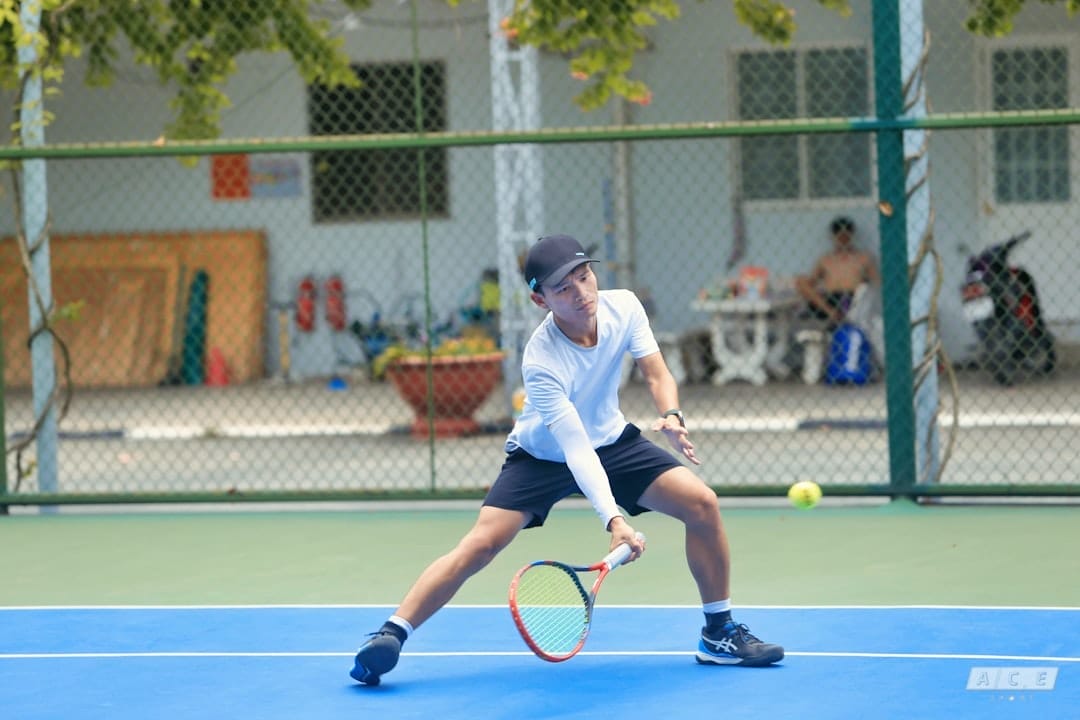
8 Phases for an Effortless World-Class Tennis Forehand
Mastering a world-class tennis forehand requires more than just raw power or endless practice. It demands precision, technique, and a deep understanding of biomechanics. After 14 years of coaching and refining the art of the forehand, Grant VanderHayden shares a proven system that breaks down the shot into eight essential phases

A Groundskeeper’s Guide to Preventing Patches on Grass Courts
Bare patches can be prevented by maintaining healthy grass growth through proper mowing, fertilization, and irrigation. Avoid overuse of specific areas by rotating player positions during practice sessions. Promptly repair any damage to prevent bare patches from spreading
